
Pets, too
Rats can make wonderful companion animals.
Beyond their role as feeders, rats can be bright, curious, social pets for the right home. Cold Blooded Cuisine occasionally places male rats as pets with people who are ready to give them appropriate companionship, care, and attention.
Our family
Woman-, mom-, and veteran-owned.
Cold Blooded Cuisine is proudly built by Megan with the behind-the-scenes support of her wonderful assistant husband and their blended family. The business is local, personal, and centered on practical animal care and clear communication.
A few friendly faces
Pet rats are full of personality.
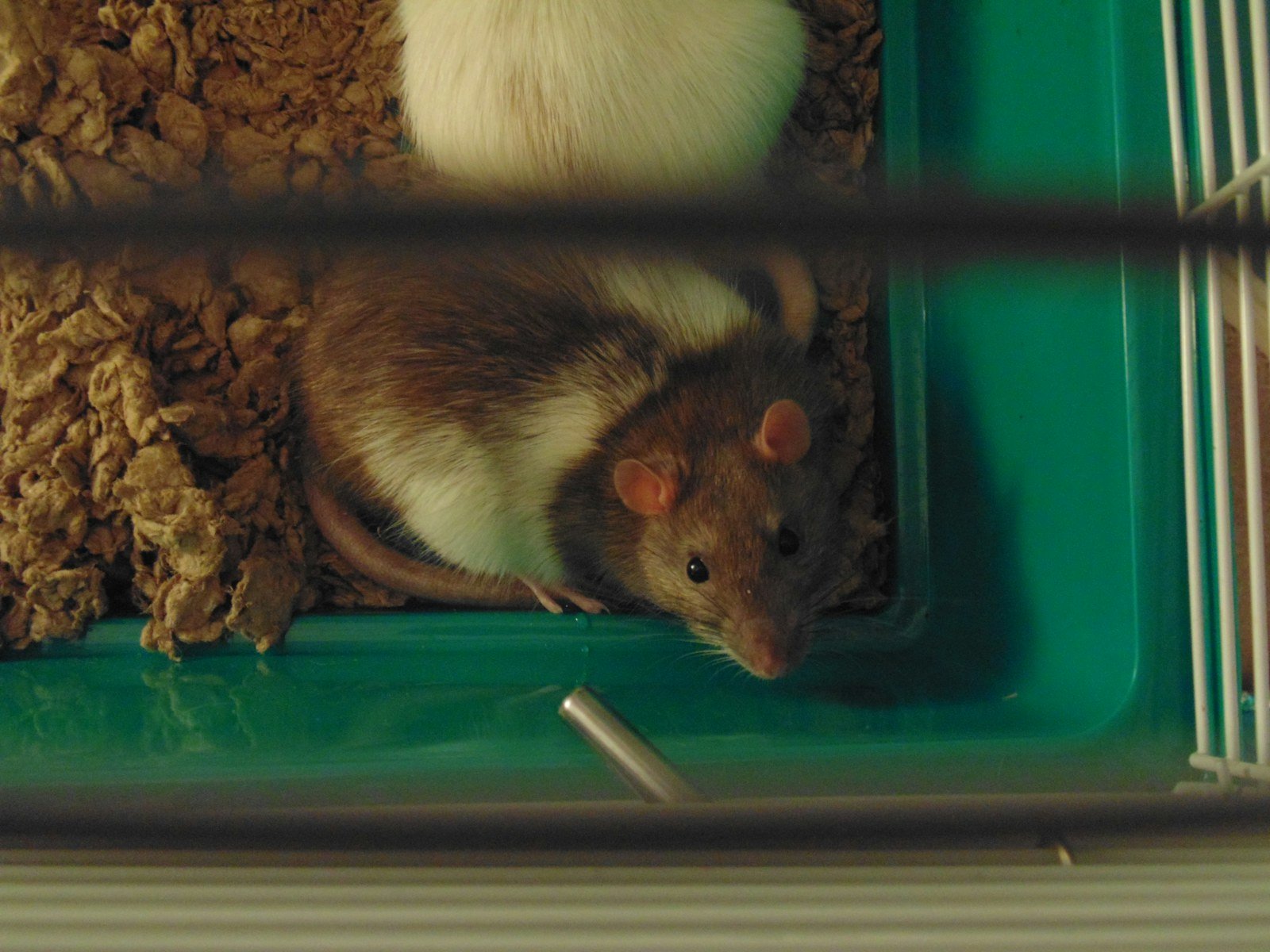
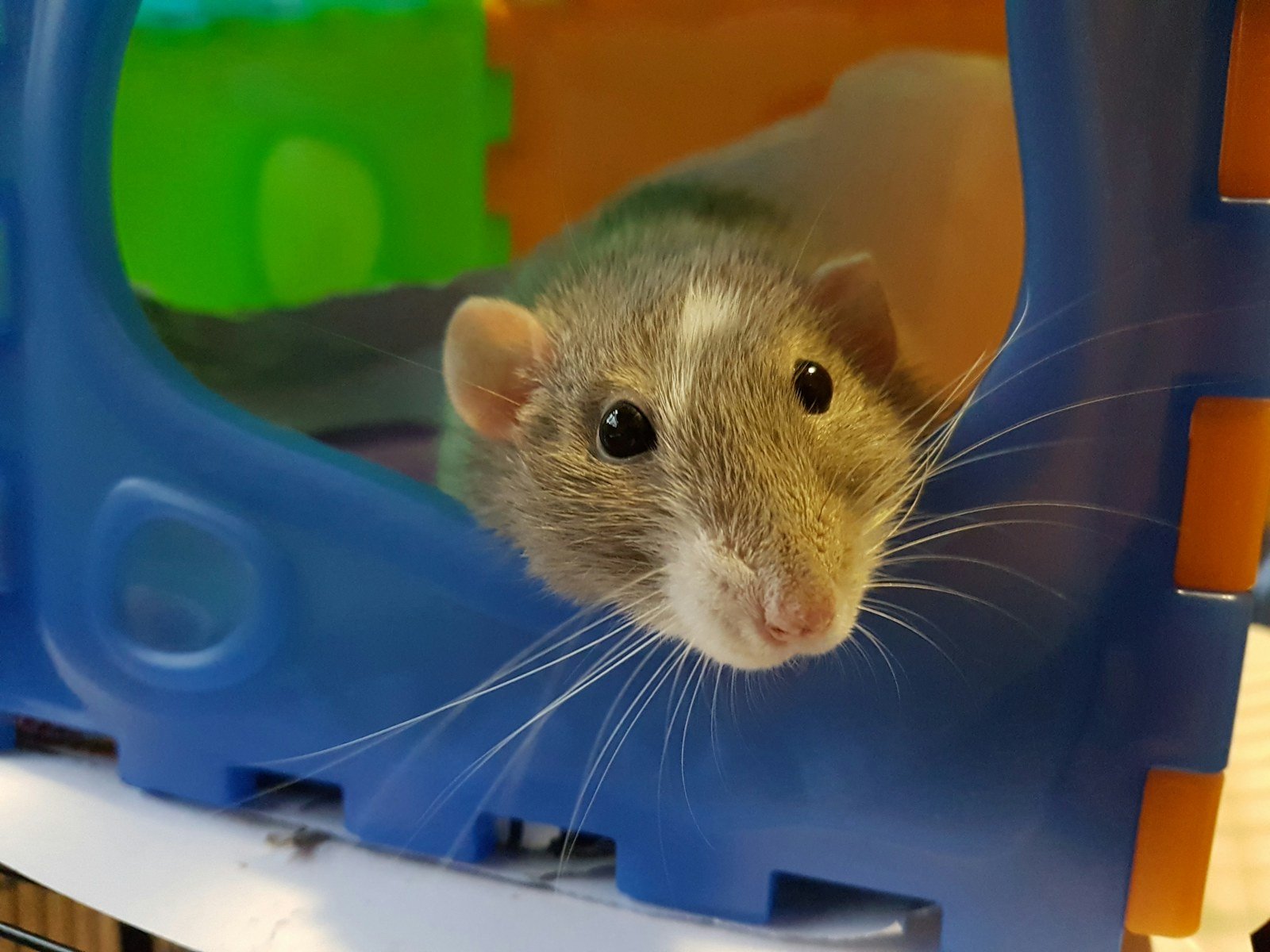
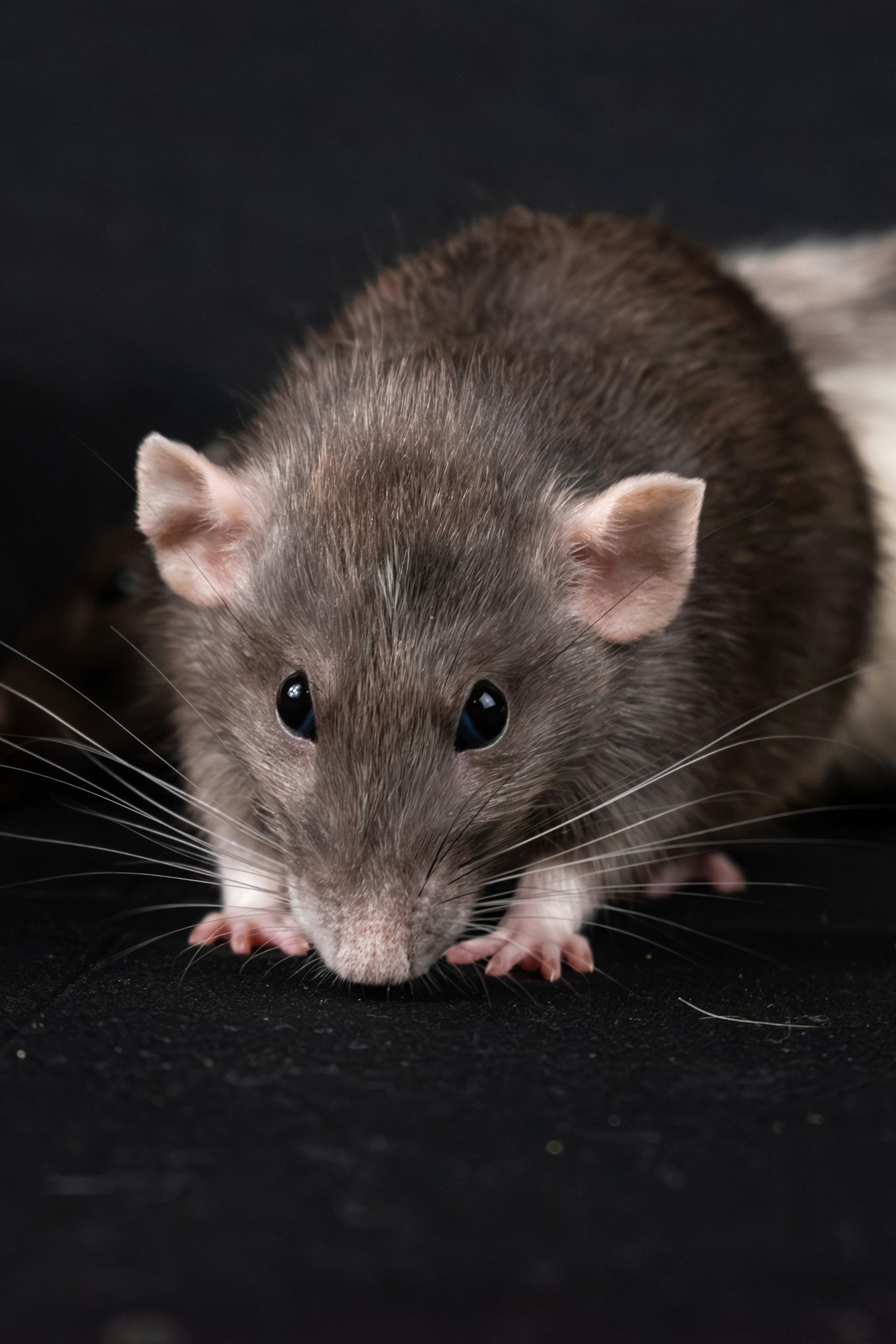
These domestic pet-rat portraits celebrate the curiosity and companionship that make rats special in the right home.
Little ratty joys
Small companions with big personalities.
Every rat is an individual, but many well-socialized pet rats love being close to their people. The sweetest moments often happen when they are allowed to explore on their own terms.
- Shoulder rides: Some rats happily perch on a trusted person's shoulder while they explore.
- “Ratty kisses”: Gentle little ear or hair nibbles can be part of curious grooming behavior when a rat feels comfortable.
- Chatty little sounds: Some rats make faint chirps or soft noises while settled or interacting with someone they trust.
- Hair adventures: A head of hair can be a fascinating place to investigate, sniff, and nestle for a moment.
- Hoodie hideouts: A cozy hoodie fold or pocket can be a favorite supervised place to tuck in close.
Let the rat choose the interaction, move slowly, and give them space if they seem unsure or want to head back to their enclosure.
Pet rat facts
What a thoughtful pet-rat home looks like.
Pet rats are a real commitment, not an impulse pet. These basics help families decide whether rats fit their home and routine.
Social by nature
Rats need compatible rat companionship. Plan for at least two male rats so they can rest, play, and communicate with another rat.
Smart and interactive
Rats are curious and can learn through gentle, positive interactions. Calm adult handling and familiar household activity help them build trust at their own pace.
Built for exploring
A secure, roomy enclosure with solid flooring, hiding spaces, climbing opportunities, and safe things to chew helps meet everyday needs.
A multi-year commitment
Pet rats commonly live around two to three years. Families should plan for daily care, cleaning, enrichment, and veterinary expenses.
More active at quieter times
Rats are often most active around morning and evening, so a home should allow for calm, supervised interaction on their schedule.
Family time needs supervision
Gentle, supervised interaction can help children learn respectful pet care. A responsible adult should always lead handling and watch for signs a rat needs a break.
Why males only
A policy designed for responsible pet placement.
We only adopt out male rats as pets, ideally with a compatible male companion or into an established, appropriate male group. This keeps the placement plan simple, reduces the risk of accidental breeding, and helps us keep pet homes separate from the feeder side of the business.
Before you ask
Make sure the whole household is ready.
- A secure, roomy enclosure prepared for a compatible male pair or group
- Time for daily care, gentle socialization, cleaning, and supervised enrichment
- A plan to keep rats safely separated from dogs and other household pets
- Close adult supervision whenever children handle or spend time with rats
- A veterinarian and budget for routine or unexpected care
Ask first
Pet availability changes.
Text us with the kind of home you can offer. We will be honest about whether a pet-rat placement is currently possible.
Text 219-816-2011Keep learning
Helpful independent pet-rat care resources.
This page is general pet-care information, not veterinary advice.
Text-first availability
Need help with availability?
Text us with the product, size, quantity, and timing you have in mind. We will confirm the next step before you make a trip.
Pet-rat questions
A few answers before you reach out.
Do pet rats make good companion animals?
Pet rats can be curious, intelligent, and interactive companion animals for homes prepared to meet their social, housing, enrichment, and veterinary-care needs.
Do pet rats need to live with another rat?
Yes. Rats are social animals and should have compatible rat companionship. We encourage homes to plan for at least two compatible male rats rather than one rat alone.
Are pet rats good with children or dogs?
Well-socialized rats can be gentle, interactive pets for considerate children with close adult supervision. Dogs and rats should never have direct or unsupervised interaction, even when a dog seems calm, because dogs may see small rodents as prey or toys. Rats need a secure enclosure and separate, supervised exercise space.
Why does Cold Blooded Cuisine adopt out only male pet rats?
Our male-only pet policy helps prevent accidental litters, supports straightforward same-sex companionship plans, and keeps pet placements distinct from feeder breeding. Female rats can make wonderful pets too, but we do not offer females for pet adoption.
Are pet rats always available for adoption?
No. Pet placements are occasional and depend on suitable males and appropriate homes. Text us to ask whether a pet-rat conversation is currently possible.